Sergers
Beginner serger guides — what an overlocker does, and which features matter first.
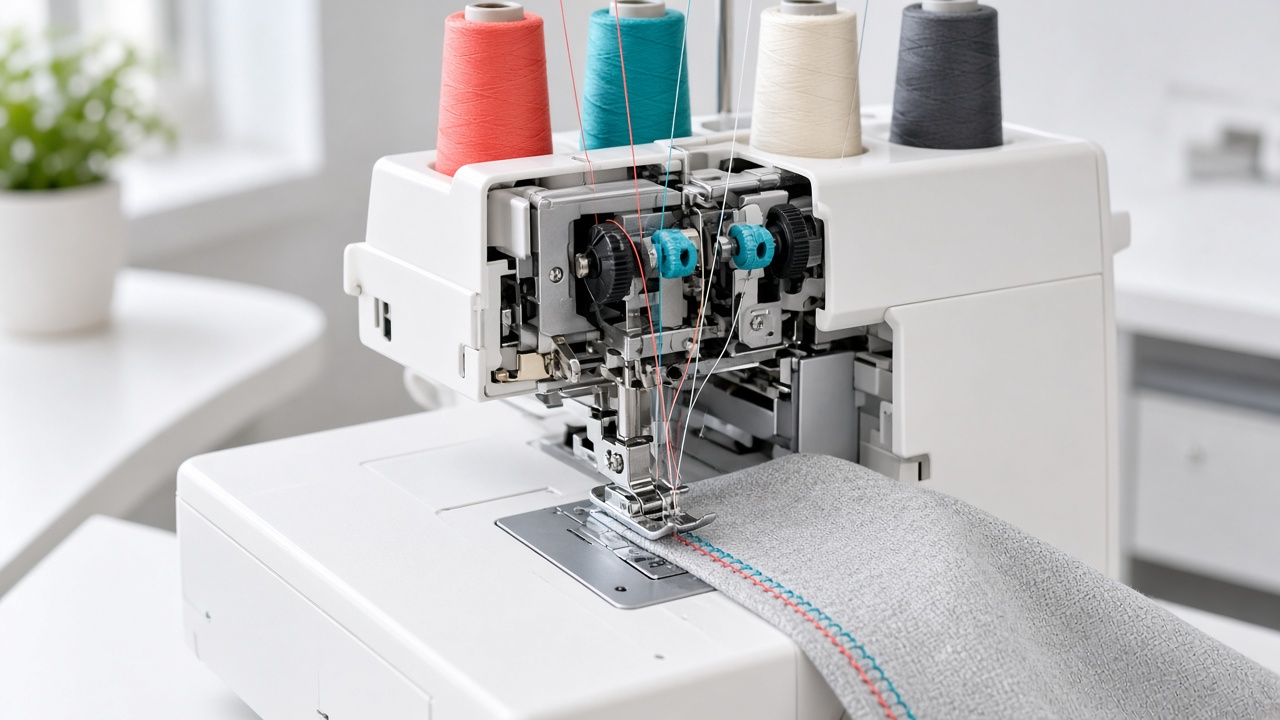
A serger (overlocker) trims the seam allowance and wraps the edge with multiple threads in one pass. That makes stretchy, tidy seams on knits and cleaner garment finishes. It does not replace a sewing machine: you still need a lockstitch machine for zippers, buttonholes, topstitching and most construction.
For a first serger, look at thread configuration (2/3/4-thread), differential feed for knits, and whether threading looks color-coded or air-assisted in the manufacturer materials. Rolled hem and stitch-width adjustment help as you grow. Coverstitch machines are a separate tool for hems on stretch fabric; we will separate those guides as they publish.
If you are unsure whether you need a serger at all, read the comparison with a regular sewing machine first, then come back to the beginner serger guide.
Who this is for
- Knit sewists who want stretchy, tidy seams
- Garment makers ready to finish edges faster than zig-zag alone
- Shoppers deciding whether a 2/3/4-thread beginner serger is enough before a coverstitch
Serger buying checkpoints
Prioritize differential feed, clear threading diagrams or air threading, and the stitch types you will actually use (overlock, rolled hem, flatlock). A serger does not sew buttonholes or insert most zippers — keep your sewing machine.
Guides to explore
Start with this guide
Best sergers for beginners
Budget and step-up sergers with differential feed, compared for first-time overlock sewists.
More reviews, comparisons and guides will appear here as we publish them.