Quilting Machines
Guides for quilting on a domestic machine — from first quilt to faster straight-line work.
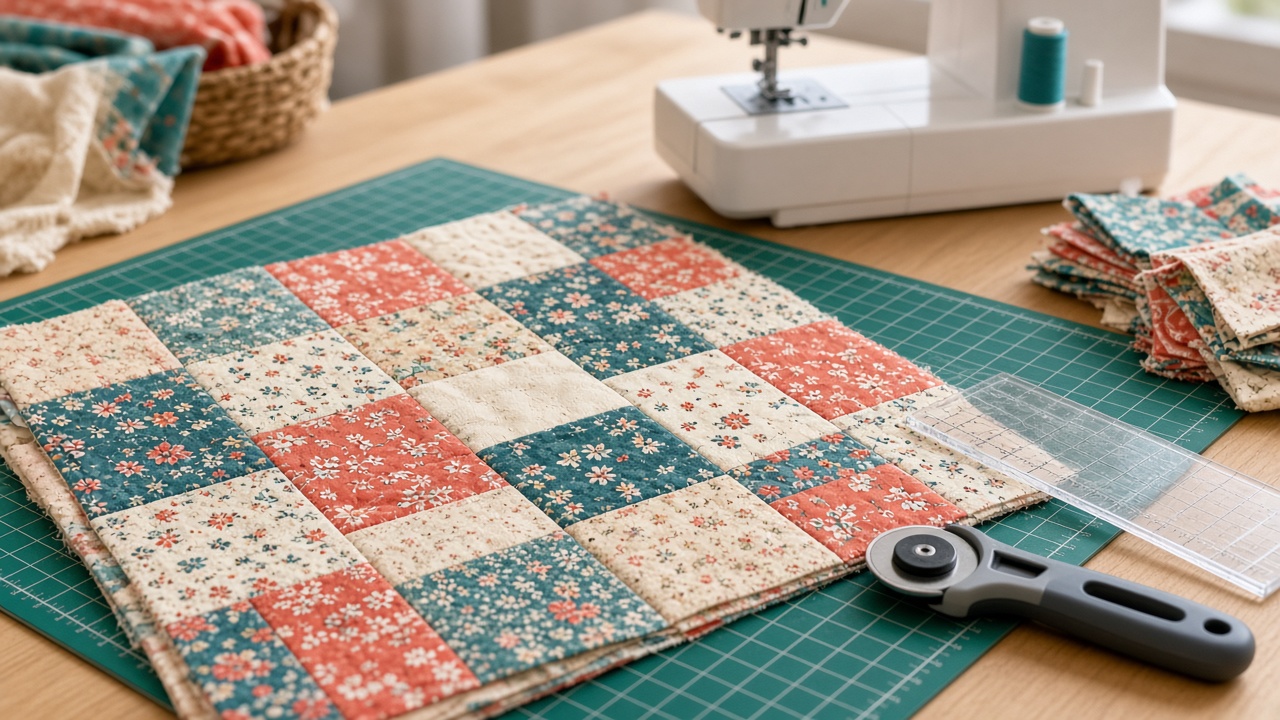
Quilting on a home machine is less about owning a long arm and more about throat space, feed and the right feet. A walking foot or even-feed foot helps layers move together. A quarter-inch piecing foot keeps seams consistent. Drop feed opens free-motion quilting when you are ready. An extension table gives the quilt room to rest.
These guides cover domestic quilting machines and straight-stitch workhorses that home quilters can buy without a dealer-only long arm. We note when a machine includes a quilting kit in the box, when throat space is published, and when a straight-stitch-only model is the better fit for speed.
Long-arm and sit-down long-arm machines are mostly sold through dealers. We may name them for context later; they will not get fake buy buttons here.
Who this is for
- New quilters piecing and quilting on a domestic machine
- Sewists who already own a beginner kit and want better feed or throat space
- Straight-stitch shoppers looking at high-speed quilting workhorses
What to compare on a quilting machine
Look for published throat space, whether a walking foot or even-feed foot is included, drop feed for free-motion, and whether an extension table ships in the box. Speed control helps when you are learning free-motion. A straight-stitch-only machine can be faster for piecing and quilting once you have a second machine for zig-zag and buttonholes.
Guides to explore
Start with this guide
Best sewing machines for quilting
Value quilting kits, straight-stitch speed machines and feature-rich step-ups compared for home quilters.
More reviews, comparisons and guides will appear here as we publish them.