Quilting
The Best Sewing Machines for Quilting, from First Quilt to King Size
 By Rachel TorresQuilting & embroidery editor
Domestic quilting picks ranked on feed, feet, tables and speed control — from first quilt to thick sandwiches.
Our top picks at a glance
| Model | Pick | Walking foot included | Drop feed | Extension table | Max speed | Price band | Check price |
|---|---|---|---|---|---|---|---|
| Best value | Yes | Yes | Detachable wide table | Up to 750 spm | Mid-range | ||
| Straight-stitch workhorse | Even-feed foot | Yes | 23" × 13" auxiliary | Up to 1,500 spm | Premium | ||
| Most stitches for the money | — | — | Wide table | — | Mid-range | ||
| Decorative quilting stitches | — | — | Extension table (listing) | — | Mid-range | ||
| Thick quilt sandwiches | — | — | — | — | Premium |
How we chose quilting machines
The best sewing machines for quilting, reviewed
Best value
Best value
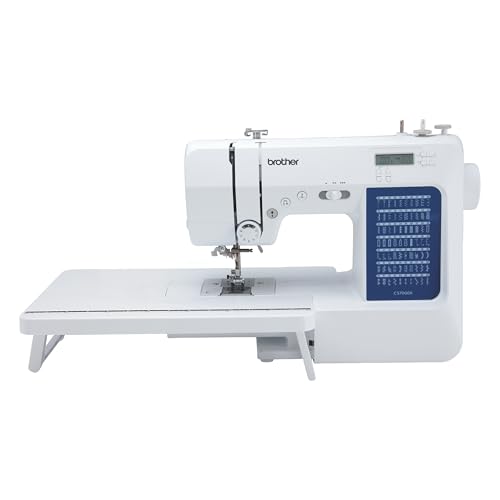
Brother CS7000X (opens Amazon in a new tab)
Best for: Beginners and new quilters who want a walking foot, wide table and speed control in one box
- Built-in stitches: 70Source
- Buttonholes: 7 one-step auto-sizeSource
- Included feet: 10, including walking foot and 1/4" piecing footSource
- Max speed: Up to 750 spm with speed controlSource
- Stitch size: 7 mm max width / 5 mm max lengthSource
- Warranty: 25-year limitedSource
Pros
- Automatic needle threader and drop-in bobbin
- Walking foot, 1/4" foot, quilt guide and wide table included
- Speed control plus drop feed for free-motion
- Hard cover and metal frame on Brother's spec sheet
Cons
- Owners sometimes report durability issues over time
- Some mention needle breaks or skipped stitches with heavier use
- Not the strongest choice for daily denim stacks
Skip it if: You sew heavy canvas or leather every day and need a true heavy-duty mechanical
What owners mention
Praise
- stitch variety
- beginner-friendly setup
- strong value for the feature set
Complaints
- durability concerns over time
- needle breaks or skipped stitches for some owners
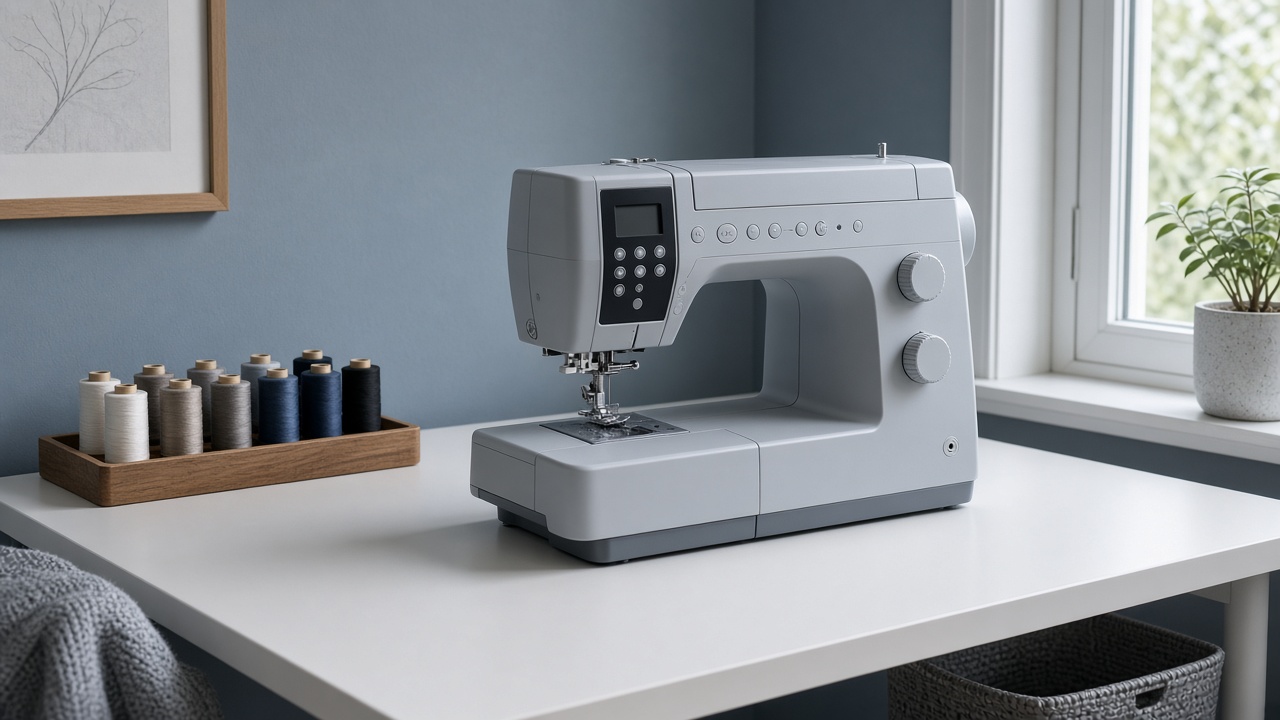
The CS7000X is the value pick for new quilters who want the kit in the box: walking foot, quarter-inch piecing foot, quilt guide, detachable wide table, speed control and drop feed for free-motion practice, plus seventy stitches and seven one-step buttonholes on Brother’s page. Owners often praise value and beginner-friendly helpers; some report durability concerns over time. Full write-up: Brother CS7000X review. First-machine context also sits on best sewing machines for beginners.
Straight-stitch workhorse
Juki TL-2010Q
Straight-stitch workhorse
Juki TL-2010Q (opens Amazon in a new tab)
Best for: Quilters and sewists who want fast, precise straight seams through thick layers
- Stitch type: Straight stitch onlySource
- Speed: 200–1,500 spm speed sliderSource
- Max stitch length: 6 mmSource
- Extras: Thread trimmer, knee lifter, drop feedSource
- Table: 23" x 13" auxiliary tableSource
- Weight: 25.4 lb; aluminum die-castSource
Pros
- Very high speed range with a speed slider
- Automatic thread trimmer and knee lifter
- Large auxiliary table and even-feed foot included
Cons
- Straight stitch only — no zigzag or buttonhole
- Heavier and pricier than a general-purpose beginner machine
Skip it if: You need zigzags, buttonholes or decorative stitches on the same machine
What owners mention
Praise
- speed and straight-line accuracy
- handles thick stacks
Complaints
- one stitch type only
- size and weight for small spaces
The TL-2010Q is built for fast, precise straight seams: a 200–1,500 spm speed slider, automatic thread trimmer, knee lifter, drop feed, even-feed foot and a large auxiliary table on Juki’s page. It will not sew a zigzag or buttonhole. Choose it when straight-line quilting and thick sandwiches are the job; keep a multi-stitch machine nearby for everything else.
Most stitches for the money
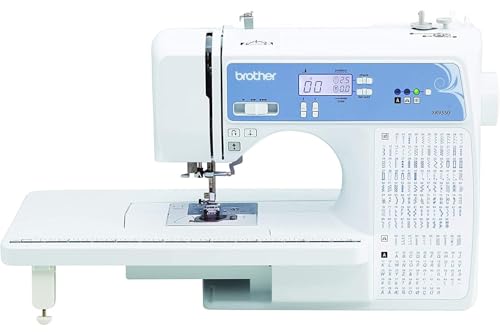
Most stitches for the money
Brother XR9550 (opens Amazon in a new tab)
Best for: Sewists who want more decorative and alphanumeric stitches than a basic beginner kit
- Built-in stitches: 165 including 55 alphanumericSource
- Buttonholes: 8 one-stepSource
- Display: LCDSource
- Included feet: 8Source
- Extras: Wide table, hard cover, LEDSource
Pros
- Large built-in stitch library with alphanumeric options
- Wide table and hard cover included per Brother
- LCD selection for browsing stitches
Cons
- More choices can slow beginners down
- Still a domestic machine, not an industrial
Skip it if: You only need utility stitches and dislike large stitch menus
What owners mention
Praise
- decorative stitch variety
- table helps larger projects
Complaints
- learning curve for the menu
- some prefer fewer options
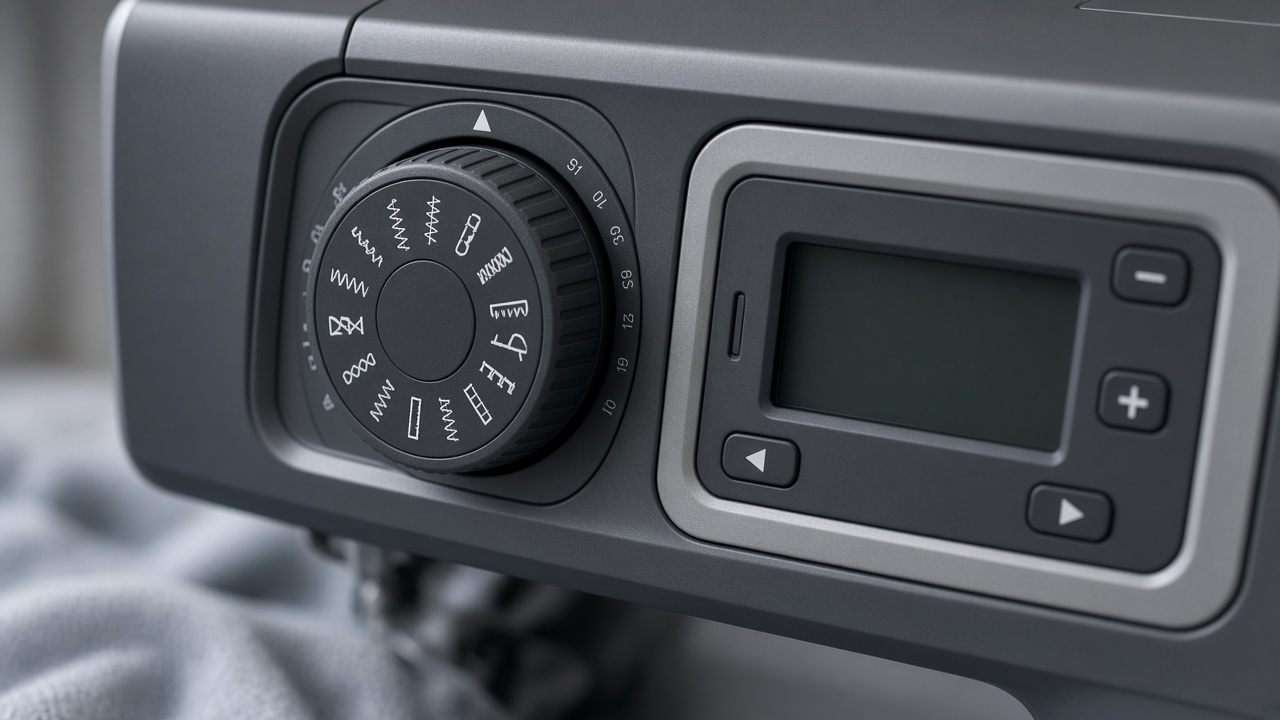
The XR9550 steps up the stitch library — one hundred sixty-five stitches including alphanumeric options, eight one-step buttonholes, an LCD, wide table and hard cover on Brother’s page. Use it when decorative and lettering stitches matter as much as piecing. We are not inventing a walking-foot claim Brother does not publish here; confirm the exact foot kit on the live product page.
Decorative quilting stitches
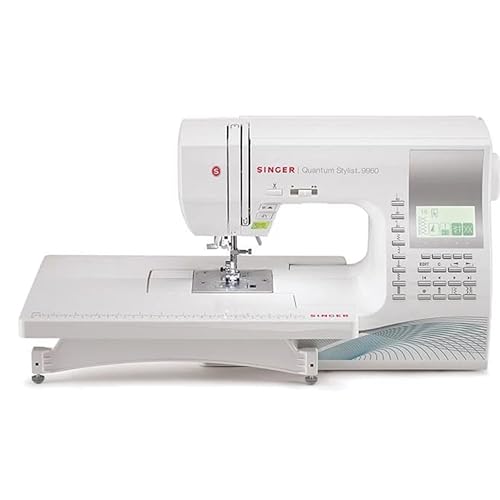
Decorative quilting stitches
Singer Quantum Stylist 9960 (opens Amazon in a new tab)
Best for: Sewists who want decorative stitch options and an extension table for larger projects
Pros
- Computerized stitch selection
- Extension table included on the listing
- Strong fit for decorative work
Cons
- Stitch-application count should be confirmed on Singer.com before quoting
- Not a straight-stitch quilting specialist
Skip it if: You only need basic utility stitches
What owners mention
Praise
- decorative options
- table helps larger pieces
Complaints
- can feel feature-heavy for beginners
- not aimed at thick leather
The Quantum Stylist 9960 is here for sewists who want computerized decorative options and an extension table on the listing. Confirm stitch-application counts on Singer.com before you buy for a specific motif checklist — we are not inventing numbers the manufacturer page did not publish clearly.
Mechanical pick for thick quilt sandwiches
Janome HD3000
Thick quilt sandwiches
Janome HD3000 (opens Amazon in a new tab)
Best for: Sewists who want a mechanical metal-frame machine for denim, canvas and thick quilt sandwiches
- Built-in stitches: 18Source
- Buttonhole: 1-stepSource
- Stitch size: 6.5 mm max width / 4 mm max lengthSource
- Needle threader: Built-inSource
- Presser-foot lift: Extra-highSource
- Case: Hard caseSource
Pros
- Mechanical simplicity with an extra-high presser-foot lift
- Snap-on feet and built-in needle threader
- Hard case included per published specs
Cons
- Premium band versus budget heavy-duty options
- Only 18 built-in stitches
Skip it if: You need embroidery or a huge decorative stitch menu
What owners mention
Praise
- solid mechanical feel
- handles thicker projects calmly
Complaints
- costs more than entry heavy-duty models
- few decorative stitches
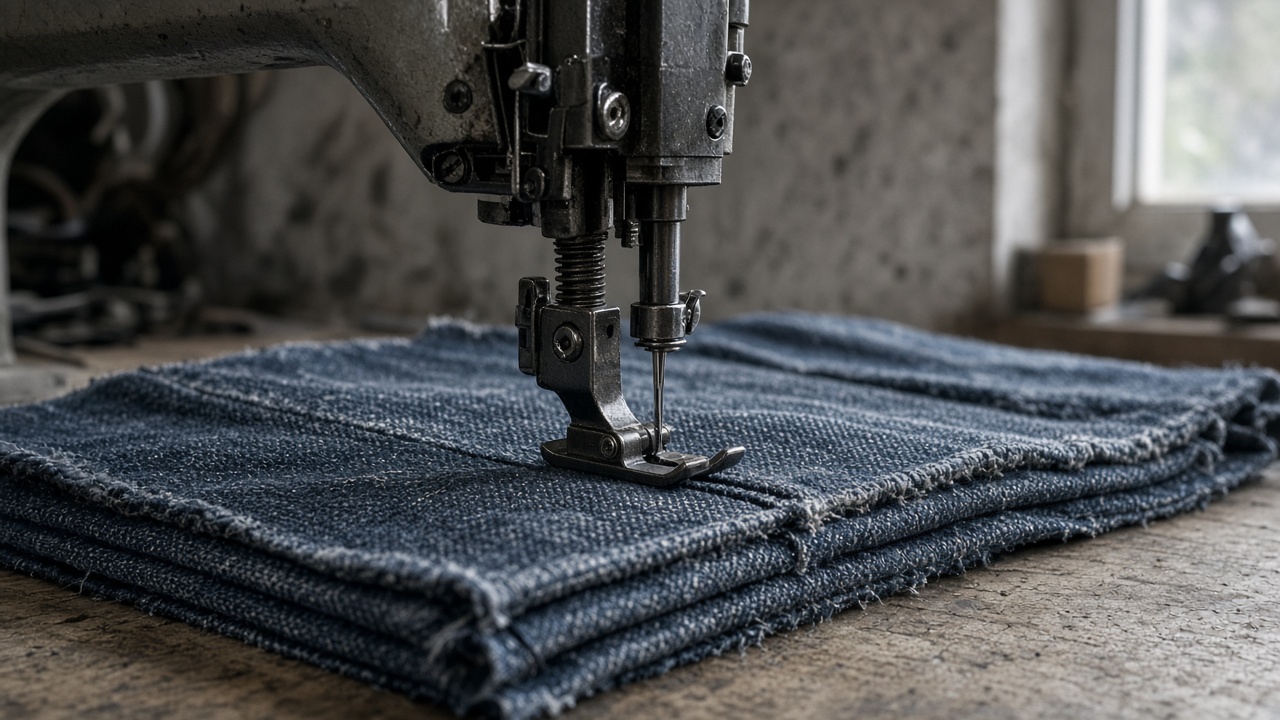
The HD3000 is the mechanical pick when thick quilt sandwiches need an extra-high presser-foot lift and a short, honest stitch list. Eighteen stitches, a built-in needle threader and a hard case sit on published Janome details. It is not a quilting-kit specialist the way the CS7000X is — treat it as the thick-stack tool. More thick-fabric context: best heavy duty sewing machines.
Long-arm machines and the Brother PQ1500SL
Long-arm and sit-down long-arm machines are mostly sold through dealers, not as a simple cart checkout.
The Brother PQ1500SL is a known high-speed straight-stitch name in quilting circles; it was not available new on Amazon at our last check, so we are not rendering a product box or buy button for it here.
Features quilters should prioritize
Throat space (harp)
Throat space is the open area to the right of the needle. More room helps when a quilt piles up under the arm. We only quote harp measurements when a manufacturer publishes them; none of the verified rows above carry a throat figure we can put in the comparison table yet.
Walking foot / even feed
A walking foot or even-feed foot moves the top layer with the feed dogs so seams stay aligned through batting. The CS7000X includes a walking foot; the TL-2010Q includes an even-feed foot.
1/4-inch piecing foot
A quarter-inch piecing foot keeps seam allowances consistent for patchwork. The CS7000X and TL-2010Q both list a quarter-inch quilting or piecing foot among included feet.
Drop feed and free-motion foot
Drop feed lowers the feed dogs so you can move the quilt freely for free-motion quilting. Pair it with a free-motion or darning foot. The CS7000X and TL-2010Q both list drop feed on published specs.
Extension table
A wide or auxiliary table gives the quilt a place to rest so weight does not pull at the needle. Look for a detachable wide table (CS7000X, XR9550), an extension table on the listing (9960) or Juki’s large auxiliary table.
Needle up/down, knee lifter and thread cutter
Needle up/down, a knee lifter and an automatic thread cutter speed up quilt handling when they are published. The TL-2010Q clearly lists a knee lifter and thread trimmer. Confirm convenience features on each model’s product page before you buy for that checklist alone.
Straight-stitch-only machines
Straight-stitch-only machines trade zigzags and buttonholes for speed, precision and often a larger quilting surface. The TL-2010Q is that lane. If you need one machine for garments and quilts, start with a multi-stitch kit instead.
Domestic, mid-arm or long arm: which do you need?
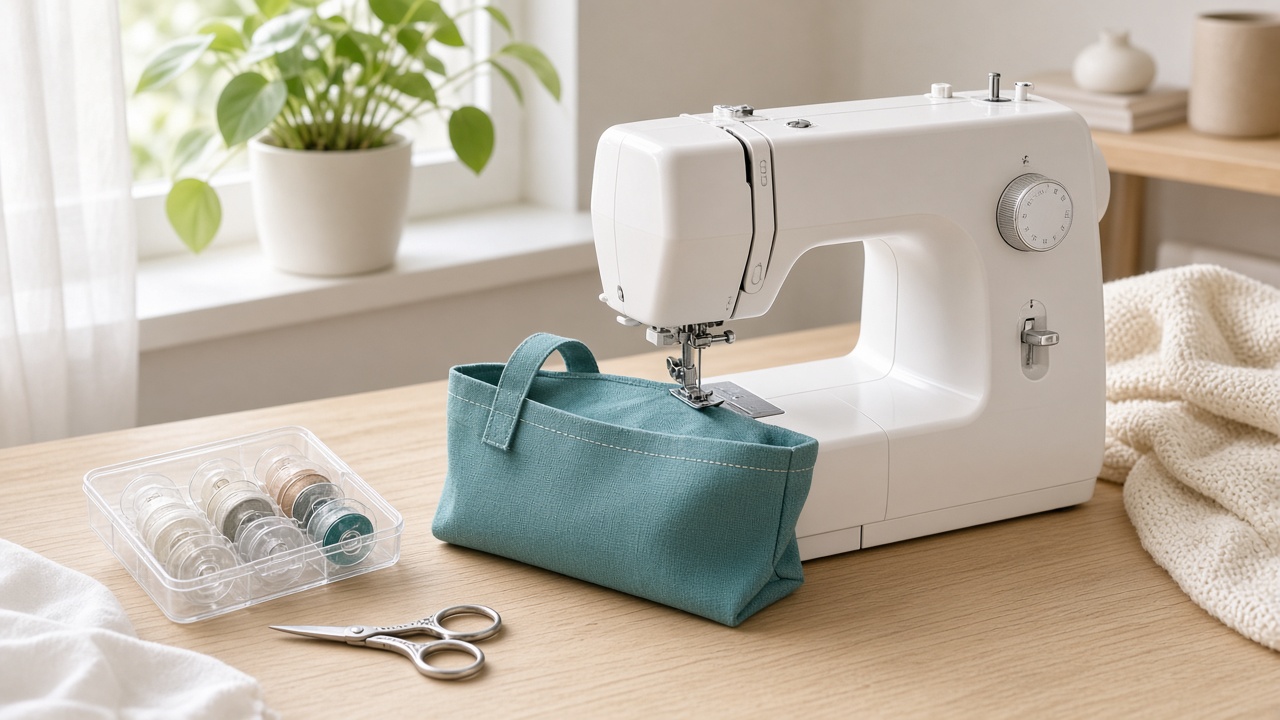
A domestic machine with a walking foot and table is enough for learning, baby quilts and many lap and twin projects. A mid-arm or long arm makes sense when king-size bulk, all-over free-motion and continuous sewing time become the weekly job — and those tools are usually dealer purchases. Match the tool to how often you quilt and how large the projects are, not to the most impressive showroom photo.
Sources and last checked5 sources
- Brother CS7000X product page · checked
- Juki TL-2010Q product page · checked
- Brother XR9550 product page · checked
- Singer site · checked
- Janome site · checked
FAQ
Can you quilt on a regular sewing machine?
Yes. Most home quilting starts on a regular domestic machine with a walking foot or even-feed foot, a quarter-inch piecing foot and enough surface for the quilt to rest. Drop feed helps when you are ready for free-motion. A long arm is optional, not a requirement for learning.
How much throat space do I need for a king-size quilt?
King-size quilts are awkward on a small harp because bulk piles up under the arm. Domestic machines manage king projects with careful rolling and an extension table, but many quilters eventually want more throat space or a mid-arm or long-arm setup. We only quote throat measurements when a manufacturer publishes them.
Is a walking foot necessary for quilting?
For piecing and straight-line quilting through layered sandwiches, a walking foot or even-feed foot is one of the most useful tools you can own. It keeps the top and bottom from shifting. Free-motion work uses drop feed and a free-motion foot instead. You can buy a compatible walking foot later if your machine did not include one.
What is the best Brother sewing machine for quilting?
On this short list the Brother CS7000X is the value quilting kit — walking foot, quarter-inch foot, wide table and drop feed in the box. The XR9550 is the step up when you want a larger stitch menu and a wide table. Neither is a long-arm machine; choose by kit and stitch needs, then read the full CS7000X review if that is your lane.
Straight-stitch or multi-stitch machine for quilting?
Choose a straight-stitch workhorse such as the Juki TL-2010Q when most of your quilting is fast, precise straight seams. Choose a multi-stitch domestic machine when you also want zigzags, buttonholes and decorative stitches on the same tool. Many quilters keep both roles covered with one versatile kit first.
About the SewPicks editors
SewPicks is written by named editors who compare sewing, quilting and embroidery machines from manufacturer specs and patterns in owner reviews. We do not run physical product trials. Our picks change when models are discontinued or better options appear.
 James WhitfieldReviews editor
 Maya ChenEditor-in-chief
- Rachel TorresQuilting & embroidery editor
Meet the full team on Authors & Editors, or read How We Choose.